Google Ads Landing Pages and Core Web Vitals: A Frontend Guide
How Core Web Vitals affect Google Ads landing page performance — what advertisers should demand from frontend builds, common CWV killers on paid landers, and how I optimize pages that protect CAC.
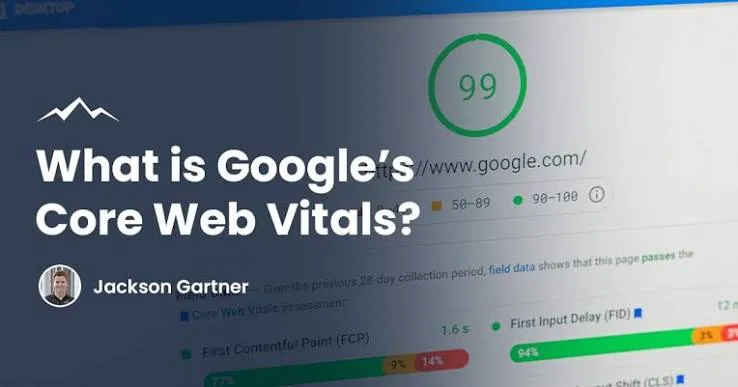
Google Ads can dump expensive traffic onto a landing page that takes five seconds to become usable on mobile. When that happens, teams argue about keywords and bid strategies while the frontend quietly burns budget.
I optimize and build paid landing pages for clients who care about CAC as much as creative. This guide explains how Core Web Vitals show up in advertising outcomes, what to demand from your frontend developer, and which “modern” patterns to ban from ad landers. It pairs with Building Landing Pages That Convert and the remediation flow in Convert a Slow Website Into a Fast, Modern Site.
Why Advertisers Should Care About CWV
Core Web Vitals measure loading (LCP), responsiveness (INP), and stability (CLS). On landing pages:
- Slow LCP → users bounce before the offer loads
- Slow INP → CTA taps feel broken; fewer conversions
- High CLS → mis-clicks, distrust, accidental exits
Even when Quality Score / landing experience signals are imperfectly understood from the outside, the user-behavior channel is enough: wasted spend is measurable in your own analytics.
Ad Landers Are Not Homepages
Homepages carry brand story, navigation, and exploration. Ad landers should:
- Match ad promise above the fold
- Present one primary CTA
- Load the offer UI ASAP
- Limit outbound navigation that leaks paid traffic
Frontend implication: less chrome, fewer global scripts, stricter performance budget than the main marketing site.
CWV Killers I See on Paid Pages
- Autoplay video backgrounds as LCP candidates
- Tag-manager Christmas trees (heatmaps + chat + three pixels + A/B tools)
- Client-rendered frameworks shipping app bundles for a static offer
- Web fonts theater — five weights, late swap, layout jumps
- Carousel heroes that delay meaningful content
- Chat widgets on first paint for every visitor
Each can be justified sometimes. On a high-spend search lander, justify with data or remove.
A Practical Performance Budget for Ad Landers
Mobile targets I push for:
| Metric | Target |
|---|---|
| LCP | ≤ 2.5s (aim lower on competitive verticals) |
| INP | ≤ 200ms on CTA interactions |
| CLS | ≤ 0.1 |
| Extra JS beyond essentials | challenge every vendor |
Technical metric coaching: Optimizing Core Web Vitals. Business reading: Website Speed Audit for Business Owners.
Frontend Patterns That Protect CAC
- Static or SSR HTML for the lander shell (Astro is excellent here)
- Single prioritized hero image with modern formats and explicit dimensions
- Form rendered without a heavy embed when possible (B2B form patterns)
- Defer chat until intent (time on page, scroll, or route-based)
- Consent-aware tag loading that still preserves conversion attribution
- Edge/CDN caching for the lander template
Message Match Is Frontend-Adjacent
Speed won’t save a mismatch between ad copy and H1. Coordinate with media buyers:
- Dynamic text insertion only if implemented carefully (no CLS explosions)
- Variant pages per ad group when offers differ
- Explicit query parameters that analytics can trust
Frontend builds the variant system marketing can actually use.
Testing Workflow That Doesn’t Lie
- Lab-test mobile on the exact ad URL (including query params that unlock scripts)
- Compare conversion rate and bounce before/after changes with enough traffic
- Watch field CWV for the landing URL set after release
- Freeze drive-by script additions during tests
Many “CRO losses” after a redesign are performance regressions disguised as creative fails.
What I Deliver for Ads-Driven Clients
When clients hire me for Google Ads landing frontend work:
- Template system for rapid variants
- CWV-first implementation
- Form/CRM wiring with attribution fields
- Tag policy documentation for marketing ops
- Optional retainer for ongoing experiments (retainer guide)
Creative still matters. So does whether the page wakes up before the prospect leaves.
Case Study: Search Landers for a Chicago B2B Service
A Chicago B2B services company was spending aggressively on Google Ads. Their lander was a branded homepage variant with global nav, a chatbot on load, and a HubSpot form embed. Bounce on mobile was ugly; Quality-adjacent metrics weren’t the only smoke — analytics showed rage-click patterns near the CTA.
Remediation (ten days):
- Forked a dedicated lander template — no main nav leakage
- Astro static HTML for the offer shell; form as a light client island
- Chat deferred until 20s or scroll-to-pricing
- Single hero image with dimensions + modern format; killed background video
- Tag policy: conversion tags yes; “nice to have” heatmaps on a sample of traffic only
| Metric | Before | After (~3 weeks) |
|---|---|---|
| Mobile LCP (lab, mid-tier Android) | ~5.2s | ~1.9s |
| Landing bounce (mobile) | high baseline | −14 pts absolute |
| Form submit rate | baseline | +19% relative |
Media didn’t change bids first — they changed the page that received the clicks. Broader remediation sequencing: Convert a Slow Website Into a Fast, Modern Site. Form specifics: B2B Lead Capture Forms That Convert.
Third-Party Script Policy for Paid URLs
Write this down and enforce it during tests:
| Category | On ad landers? | Rule |
|---|---|---|
| Conversion / remarketing pixels | Yes, carefully | Consent-aware; don’t block LCP |
| Chat | Rarely on first paint | Defer or route-based |
| Heatmaps / session replay | Sample or off during tests | Heavy main-thread cost |
| A/B tools | Only if necessary | Prefer edge/server variants when possible |
| Fake scarcity widgets | No | Trust + CLS issues |
If marketing ops can add vendors without review, your CWV budget is theater. Pair enforcement with a light retainer if campaigns never sleep.
Variant System Marketing Can Actually Use
Ad groups diverge. Frontend should support:
- Template props for headline / proof / CTA label
- Optional sections toggled per variant (logos, FAQ, pricing strip)
- Stable form endpoints so CRM mapping doesn’t fork ten ways
- Clear naming:
/lp/service-a-brand,/lp/service-a-competitor
---
const { headline, cta } = Astro.props;
---
<section class="lp-hero">
  <h1>{headline}</h1>
  <a class="btn-primary" href="#form">{cta}</a>
</section>
Dynamic Insertion of ad text can work — but watch CLS if fonts/metrics change late. Prefer server-built variants over client-side text swaps when spend is material.
Lab vs Field: Don’t Lie to Yourself
- Lab (Lighthouse, WebPageTest): great for debugging the template
- Field (CrUX / Search Console / RUM): what real phones did
Always lab-test the exact ad URL including query strings that unlock banners or scripts. I’ve seen “green” staging and “red” production because GTM preview differed from live containers. Business-friendly measurement framing: Website Speed Audit for Business Owners. Deeper CWV engineering: Optimizing Core Web Vitals.
Pre-Flight Checklist Before You Scale Spend
- Message match: ad claim ≈ H1 + first viewport
- One primary CTA; secondary paths don’t leak paid traffic unnecessarily
- LCP element known and optimized (usually hero image or heading block)
- CTA INP acceptable on a mid-range Android
- CLS: reserved space for images, fonts, banners
- Form/CRM attribution verified with a real test lead
- Tag inventory reviewed for this URL set
- Analytics annotations ready for the release date
If you can’t check these boxes, scaling budget is buying bounce rates more efficiently.
Above-the-Fold Recipe for High-Spend Landers
What I allow in the first viewport on search landers:
- Headline matching the ad promise
- One supporting sentence
- Primary CTA (and maybe a quiet secondary)
- One optimized visual if it clarifies the offer
- Trust signal that doesn’t delay LCP (short logo row with reserved height)
What I fight to keep out:
- Full site navigation
- Autoplay video
- Carousel
- Chat bubble on paint
- Long proof galleries before the offer
Homepages tell brand stories. Ad landers repay clicks. Structure guidance: Building Landing Pages That Convert. Form discipline: B2B Lead Capture Forms That Convert.
Fonts and LCP — Practical Rules
Fonts wreck landers quietly:
- Limit families/weights (often one sans + optional display)
font-display: swapor optional with fallback metrics- Preload only the critical file
- Reserve line boxes to limit CLS
- Never block the hero heading on three late webfonts
If brand insists on a heavy display face, load it after the offer is readable. Visitors came for the promise in the ad — not your typography museum.
Experiment Hygiene for Media + Eng
When CRO and performance share a queue:
| Rule | Why |
|---|---|
| One major change class per test window | Attribution stays legible |
| Annotate releases in analytics | ”Creative lose” vs “we added Hotjar globally” |
| Freeze drive-by GTM tags during tests | Contaminated data wastes spend |
| Promote winners into the template system | Avoid fork sprawl |
Retainers help here when experiments never stop — Do You Need a Frontend Developer Retainer?. Deep CWV work: Optimizing Core Web Vitals.
Template Performance Budget (Example)
Write numbers into the SOW:
Mobile LCP           ≤ 2.0s on primary ad URL (lab mid-tier)
INP on CTA / fields  ≤ 200ms
CLS                  ≤ 0.1
JS (gzipped)         challenge anything over ~70KB on the lander
Third parties        listed; each needs an owner
Budgets without enforcement are sticky notes. Enforcement means reviewing tag requests like code review. Stakeholder-friendly diagnostics: Website Speed Audit for Business Owners. Broader site remediation order: Convert a Slow Website Into a Fast, Modern Site.
Common “But Marketing Needs It” Debates
Chat on landers: Maybe after scroll/time. Rarely on paint for cold search traffic.
Video testimonials: Great below the fold; disastrous as LCP candidates.
Personalization platforms: Powerful; expensive on main-thread. Prove lift after baseline speed exists.
Pop-ups: Usually hostile on paid intent pages. If legal requires consent banners, style them to minimize CLS.
I win these debates with field data, not aesthetic preference. Bring your top URLs and spend; the page either pays rent or it doesn’t.
Conclusion
Google Ads landing pages live or die on relevance and responsiveness. Core Web Vitals are a practical frontend SLA for paid traffic: fast LCP, crisp CTA INP, stable layout. If your media team is scaling spend on a sluggish lander, you’re funding bounce rates.
If you want landers built or remediated against a real performance budget, start with landing page optimization for conversion structure, website performance optimization for speed debt, or a Figma to code developer when creative is ready but the page isn’t — then send me your top ad URLs. We’ll reconnect creative promise with a page that loads like you paid for the click — because you did.
Paid landers that fail CWV burn CAC. Metric-specific remediation lives under improve Core Web Vitals.
Key Takeaways
- Treat CWV as CAC infrastructure on paid landing pages
- Strip homepage chrome and unsupervised third parties from ad landers
- Prefer HTML-first templates; challenge app-sized JavaScript
- Measure mobile lab + field on the real ad URLs
- Coordinate message match and variant systems with media buyers
- Freeze random script adds during conversion tests
Table of Contents
// related.posts()
Continue Reading_
B2B Lead Capture Forms That Convert: Frontend Patterns That Help
Frontend patterns for B2B lead capture forms that convert — field strategy, multi-step flows, validation UX, performance, CRM integrity, and the mistakes that quietly kill demo requests on otherwise solid websites.

Building Landing Pages That Convert
Landing page patterns from real client campaigns—hero structure, CTA placement, social proof, performance, and A/B-ready architecture that drives signups.

Website Speed Audit for Business Owners: What the Numbers Mean
How to read a website speed audit without being a developer — Lighthouse vs real-user data, which scores matter for revenue, and how to prioritize fixes when an agency or freelancer sends you a PDF full of red metrics.